At VivaSkin Dermatology and Aesthetics in Wellesley, Massachusetts, we offer advanced Q-Switched 532/1064 nm laser treatment to safely treat a wide range of pigmented skin conditions and unwanted tattoos.
Performed by an MD with fellowship training in cosmetic dermatology, this versatile laser technology delivers high-energy pulses in extremely short durations to selectively target excess pigment while minimizing injury to surrounding skin.
Whether you are concerned about sun damage, age spots, freckles, post-inflammatory hyperpigmentation, certain birthmarks, or tattoo removal, our personalized laser treatments are designed to help you achieve a clearer, more even skin tone.
A Q-Switched laser is a medical laser that produces ultra-short, high-energy pulses of light. These pulses break apart unwanted pigment into tiny particles that are gradually cleared by the body’s immune system.
The system uses two different wavelengths:
The 532 nm wavelength primarily targets superficial pigmentation, including:
Freckles
Sun spots (solar lentigines)
Age spots
Flat brown spots
Epidermal pigmentation
Some red pigmented lesions
Certain tattoo ink colors such as red, orange, and yellow
The 1064 nm wavelength penetrates deeper into the skin and is commonly used for:
Dermal pigmentation
Nevus of Ota
Post-inflammatory hyperpigmentation (in selected patients)
Blue and black tattoo ink
Certain benign pigmented lesions
Skin rejuvenation techniques such as laser toning (when appropriate)
Your dermatologist will determine which wavelength—or combination of wavelengths—is best suited for your skin concerns.
Q-Switched laser technology is commonly used to improve a variety of pigment-related concerns.
Conditions that may be treated include:
Sun spots
Age spots
Freckles
Solar lentigines
Post-inflammatory hyperpigmentation (selected cases)
Nevus of Ota
Café-au-lait macules (selected patients)
Certain benign pigmented lesions
Uneven skin tone
Unwanted tattoos
Laser toning for skin rejuvenation (when clinically appropriate)
Every lesion should be evaluated by a dermatologist before laser treatment to ensure an accurate diagnosis and appropriate management.
Pigment absorbs specific wavelengths of laser light.
The laser delivers energy in nanoseconds, creating a photoacoustic effect that shatters pigment particles while limiting heat damage to surrounding tissues.
After treatment, your body’s natural immune system gradually removes these fragmented pigment particles over several weeks.
Because this process is gradual, multiple treatment sessions are often recommended for optimal improvement.
Patients choose Q-Switched laser treatment because it offers numerous advantages, including:
Non-surgical treatment
Minimal downtime
Precise targeting of unwanted pigment
Safe treatment of many benign pigmented lesions
Effective tattoo removal for multiple ink colors
Improvement in sun damage
More even skin tone
Customized treatment plans
Can treat both superficial and deeper pigmentation
Suitable for many skin types when performed by an experienced dermatologist
Your visit begins with a consultation and skin evaluation.
During treatment:
The treatment area is cleansed.
Protective eyewear is worn.
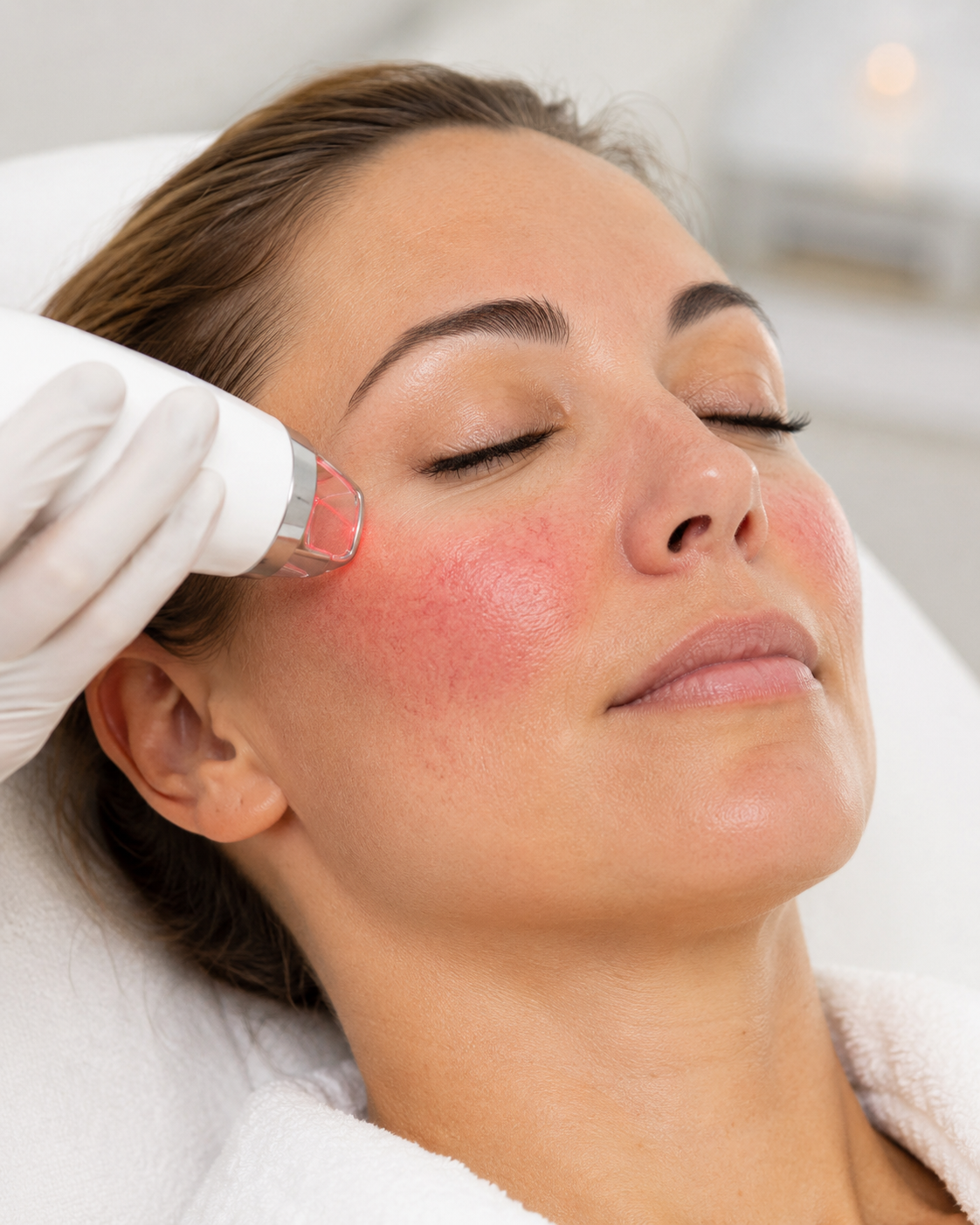
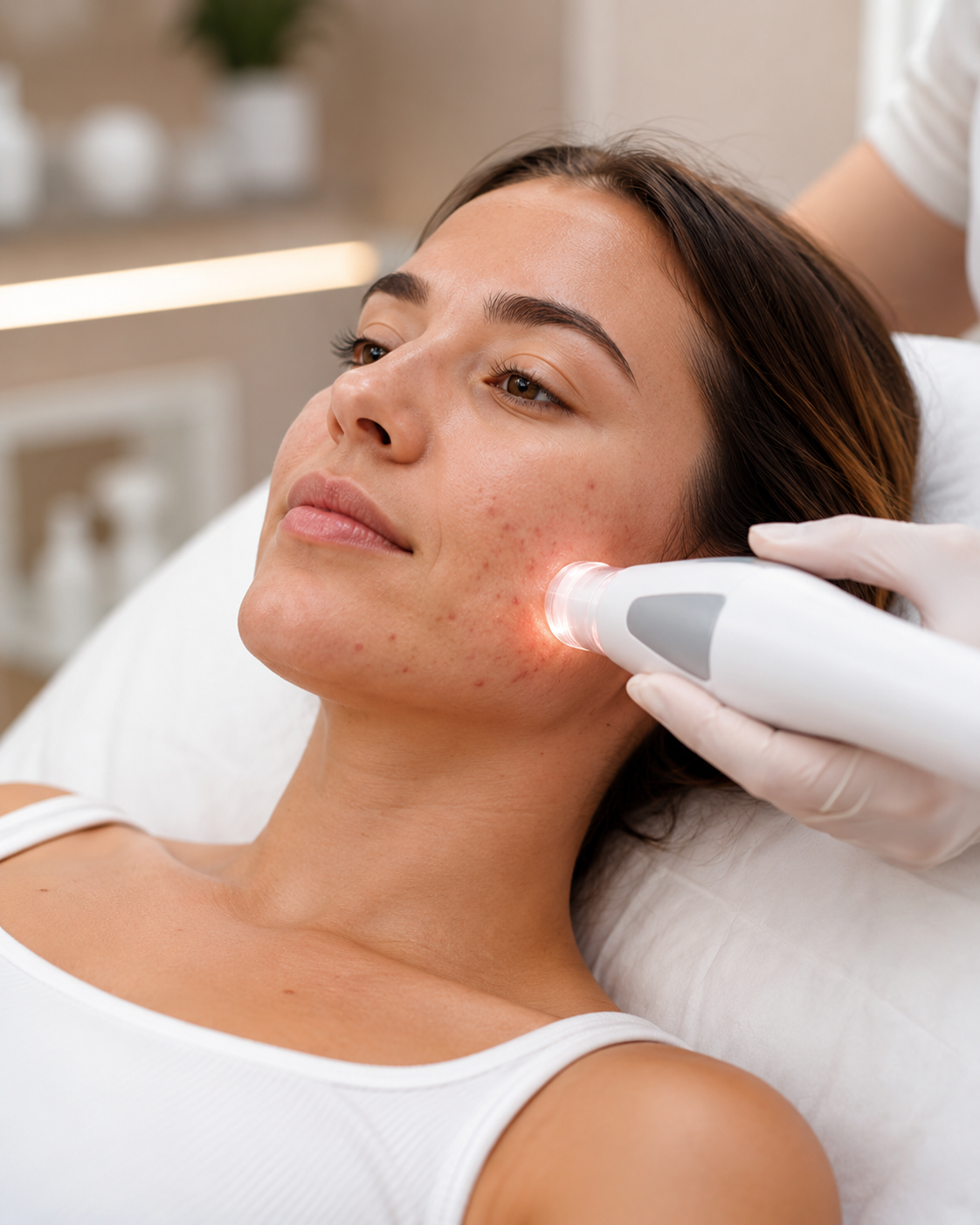
The laser handpiece delivers short pulses of energy to the target area.
Most patients describe the sensation as similar to the snap of a rubber band.
Treatment time depends on the size and number of areas being treated and often ranges from a few minutes to about 30 minutes.
Most patients experience minimal downtime.
Common temporary effects include:
Mild redness
Slight swelling
Temporary whitening (“frosting”) of pigmented lesions
Mild crusting or darkening before fading
Most patients resume normal daily activities within one to two days.
Your dermatologist will provide individualized aftercare instructions, including sun protection recommendations.
The number of treatments varies depending on:
Your diagnosis
Depth of pigmentation
Skin type
Size of the treatment area
Tattoo color and age (if removing tattoos)
Some superficial brown spots improve after one or two treatments, while deeper pigmentation or tattoos often require multiple sessions spaced several weeks apart.
When performed by an experienced dermatologist, Q-Switched laser treatment has an excellent safety profile for appropriately selected patients.
Before treatment, we evaluate:
Skin type
Medical history
Current medications
Previous laser treatments
Sun exposure
Nature of the pigmented lesion
Proper evaluation helps minimize risks such as temporary pigment changes or scarring.